The word “endoscopic” covers several techniques, from a camera passed through the mouth or nose to instruments inserted through small abdominal incisions. You will be able to compare these approaches, understand their practical benefits and limits, and prepare better questions about suitability, safety, recovery and total cost.
Key takeaways
- Endoscopy uses a camera through a natural opening or small incision.
- Ask whether endoscopy can treat your condition or only diagnose it.
- Follow fasting, medicine and escort instructions before sedation or anaesthesia.
- Seek urgent help for severe pain, heavy bleeding, fever or breathing trouble.
What endoscopic surgery actually involves—and how it differs from other operations
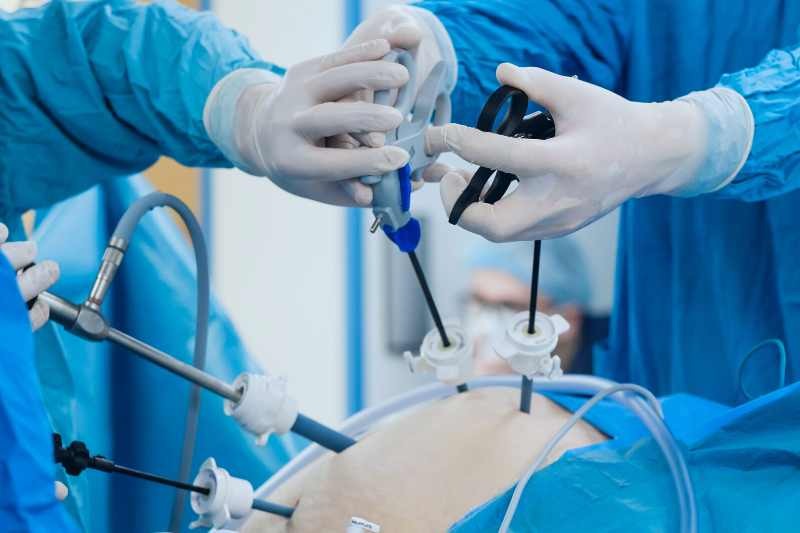
A flexible or rigid endoscope carries a camera and specialised instruments into the body through a natural opening, such as the mouth, anus or urinary passage, or through small skin incisions. Doctors use it to inspect tissue, take samples, remove polyps, widen a narrowing or treat disease.
“Endoscopic surgery” therefore describes several techniques, not one operation.
| Option | What it means | Benefits and limits |
|---|---|---|
| Conventional endoscopy | A scope enters through a natural opening; examples include gastroscopy, colonoscopy, cystoscopy and ureteroscopy. | Avoids an external surgical incision, but therapeutic work can still cause bleeding, perforation or infection. |
| Laparoscopic surgery | A camera and instruments enter through small abdominal incisions. | Often causes less wound pain, fewer wound problems, smaller scars, shorter admission and earlier activity than equivalent open surgery. |
| Robotic surgery | A surgeon controls wristed instruments from a console, usually through laparoscopic incisions. | May improve instrument movement and visual control; it does not automatically reduce risk or recovery time. |
| Open surgery | The surgeon reaches the target through a larger incision. | Gives direct access for complex disease, but usually involves more tissue disruption, wound care and recovery. |
The smaller-incision benefits belong mainly to laparoscopic and robotic operations, not every procedure called endoscopic. A natural-opening procedure can still require sedation, observation or a second treatment. Ask which technique is planned, what happens if it must convert to open surgery, and which endoscopic surgery benefits in Pune apply to your specific operation.
Which conditions can be treated through an endoscope?
An endoscope can treat problems in the digestive tract, sinuses, urinary system, joints and bile ducts. The correct specialty depends on the body area, so confirm the procedure and the specialist’s credentials before booking.
| Procedure | Conditions or purpose | Specialty to confirm |
|---|---|---|
| Upper gastrointestinal endoscopy | Ulcers, bleeding, swallowing problems; biopsy or removal of selected polyps | Gastroenterology |
| Colonoscopy | Polyps, unexplained bleeding and some bowel lesions; biopsy or polyp removal | Gastroenterology or colorectal surgery |
| Endoscopic sinus surgery | Blocked sinuses, nasal polyps and chronic sinus disease | Ear, nose and throat surgery |
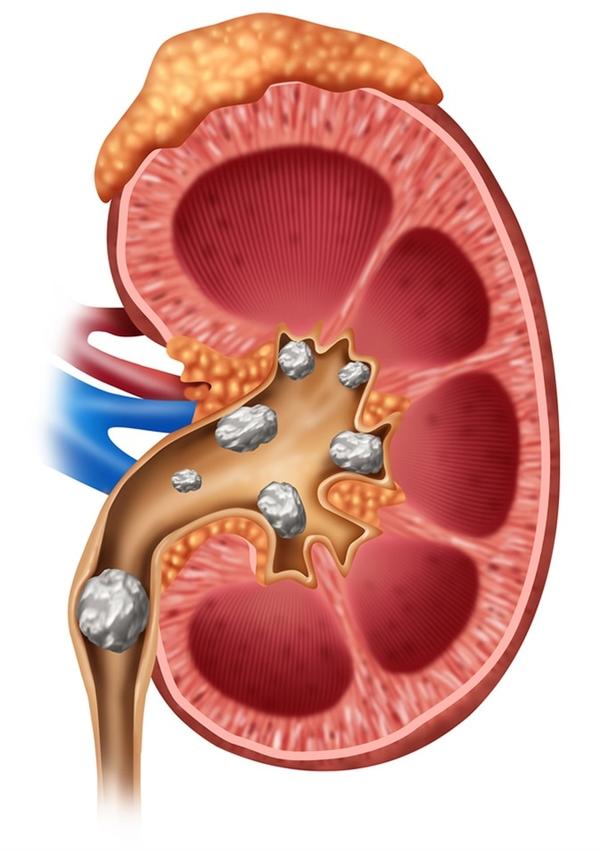
| Ureteroscopy | Kidney or ureter stones; laser fragmentation and stone removal | Urology |
| Cystoscopy | Blood in urine, bladder stones or suspected bladder lesions | Urology |
| Arthroscopy | Selected knee, shoulder or other joint problems | Orthopaedic surgery |
| ERCP | Bile-duct stones, obstruction and selected leaks; treatment rather than a routine diagnostic scan | Gastroenterology with advanced endoscopy |
ERCP deserves specific questions because pancreatitis, bleeding, infection, perforation and sedation reactions can occur. Ask whether the hospital has observation, emergency surgery, interventional radiology and intensive-care access. Magnetic-resonance cholangiopancreatography or endoscopic ultrasound may provide diagnosis without an invasive therapeutic ERCP.
For endoscopic treatment handewadi, confirm that the hospital actually provides the named specialty, anaesthesia support and follow-up. Ask who performs the procedure, whether conversion to open or laparoscopic surgery is possible, and where you would be transferred if the planned treatment becomes unsafe.
When is an endoscopic approach suitable for you?
The safer option is the one that achieves the treatment goal with the least avoidable risk—not automatically the one with the smallest incision. Your surgeon weighs the organ involved, the purpose of treatment, scan findings, your medical conditions, and the team’s experience with that procedure.
An endoscopic approach fits when the target is reachable, the instruments can do the required job, and bleeding or nearby-organ injury can be controlled. A stomach growth might be biopsied or removed through an upper-GI endoscope, while a kidney stone may be treated through ureteroscopy.
A large tumour, difficult anatomy, or extensive infection can favour open surgery.
| Option | Main advantage | When it may apply |
|---|---|---|
| Endoscopic or laparoscopic | Less tissue disruption and smaller wounds | The target is accessible and the procedure can be completed safely through the available route |
| Open surgery | Wider access and direct control | The disease is extensive, anatomy is difficult, or minimally invasive treatment cannot achieve the goal |
| Imaging or monitoring | Avoids an invasive procedure | The problem needs confirmation rather than immediate treatment |
For suspected bile-duct stones, magnetic-resonance cholangiopancreatography or endoscopic ultrasound often provides diagnosis without an invasive therapeutic procedure. ERCP is usually chosen when the team expects to remove a stone, relieve an obstruction, or treat a selected leak.
Before consenting, ask:
- What result makes this approach unsafe?
- What is the open-surgery alternative?
- How often is conversion to open surgery needed for this operation?
- Could bleeding require admission or transfusion?
What happens before, during and after the procedure?
Expect a pre-procedure assessment, medication review, fasting instructions and, when sedation is planned, an escort home. During the procedure, a camera and specialised instruments are guided through a natural opening or small incision; difficult anatomy, bleeding or an unsafe view can require conversion to open surgery, overnight admission or transfusion.
| Stage | What you should expect | Compare hospitals by |
|---|---|---|
| Before | Consent, blood tests or imaging when indicated, bowel preparation for colonoscopy, and medication adjustments | Ask what pathology, anaesthesia, imaging and repeat-procedure charges are included |
| During | Sedation or anaesthesia, continuous monitoring, tissue sampling or treatment when needed | Ask who provides anaesthesia and what happens if the procedure cannot be completed |
| After | Recovery observation, pain or diet instructions, results, follow-up and restrictions on driving or important decisions after sedation | Confirm discharge criteria, escort requirements and 24-hour emergency contact |
For colonoscopy, ask whether the report records completion to the caecum, the adenoma-detection performance and the plan after an incomplete examination. For ERCP, ask specifically about pancreatitis, bleeding, infection, perforation and sedation reactions, plus access to surgery, interventional radiology and intensive care.
When comparing an endoscopic surgery hospital in Pune, ask:
- What alternatives are available, and what is the conversion plan?
- What is the complete estimated cost, including complications and repeat imaging?
- Who will review you if pain, fever, bleeding or vomiting develops?
- How long must you avoid driving or operating machinery?
OnyxCare Multispeciality Hospital 08048036427 should be assessed against these practical details, not its advertised procedure list.
Related service
When it comes to advanced, minimally invasive surgical care, Onyxcare Hospital stands among the best hospitals for Endoscopic Surgery in Pune. View service → |
Which risks and warning signs should affect your decision?
Bleeding, perforation, infection, aspiration and heart or breathing complications can follow endoscopy. Risk increases when the procedure removes a polyp, widens a narrowing, drains an area or controls bleeding. ERCP also carries specific risks, including pancreatitis, bile-duct infection and reactions to sedation.
Seek urgent medical assessment after the procedure for:
- Severe or worsening abdominal, chest or throat pain
- Vomiting blood, black stools or bleeding that does not stop
- Fever, shaking chills, fainting, confusion or marked weakness
- Breathlessness, blue lips, persistent vomiting or difficulty swallowing
Do not drive, operate machinery or make important decisions after sedation for the period specified by your clinical team. Arrange an escort if instructed, and ask who handles calls overnight. A facility should provide recovery observation and a clear escalation route rather than sending you home without warning instructions.
| Procedure | Main concern | Support to verify |
|---|---|---|
| Diagnostic endoscopy | Aspiration, bleeding or perforation | Fasting instructions, sedation monitoring and emergency contact |
| Polyp removal or dilation | More bleeding or perforation risk | Pathology reporting, repeat endoscopy access and surgical backup |
| ERCP | Pancreatitis, infection, bleeding or perforation | Observation capacity, imaging, interventional radiology, surgery and intensive care |
Before booking, ask whether anaesthesia support is available for your health condition, where you would be admitted if complications develop, and who pays for pathology, sedation, repeat imaging or additional treatment. The shortest stay is not automatically the safest or least expensive option.
Frequently asked questions
What is endoscopic surgery?
A surgeon uses a flexible or rigid endoscope with a camera and instruments through a natural opening or a small skin incision. The procedure can inspect tissue, collect samples, remove polyps, widen narrowed passages or treat disease.
Which conditions can be treated through an endoscope?
Depending on the endoscope and body area, doctors can treat gastrointestinal bleeding, polyps, narrowed passages, gallstones, urinary blockages and selected joint or sinus conditions. Ask your specialist whether endoscopy can treat your specific diagnosis.
When is an endoscopic approach suitable?
It may suit you when the disease is reachable through an endoscope and the procedure can achieve the required result safely. Your doctor will consider the diagnosis, anatomy, previous operations, medicines, anaesthesia risk and whether open surgery offers better access.
What warning signs need urgent medical attention after endoscopic surgery?
Contact your surgical team urgently for severe or worsening pain, heavy bleeding, black stools, persistent vomiting, fever, fainting, chest pain, breathing difficulty or a swollen abdomen.
Keywords